Working from home has become a standard for many, bringing both opportunities and challenges. One of the key factors to success is designing a home office environment that helps you stay focused and productive. Whether you have a dedicated room or a small corner, making a few thoughtful adjustments can transform your workspace. This guide offers practical tips to create a productive home office tailored to your needs.
1. Choose the Right Location
Prioritise Natural Light
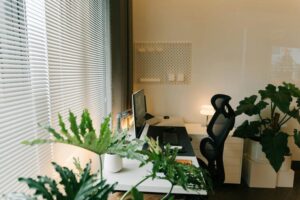
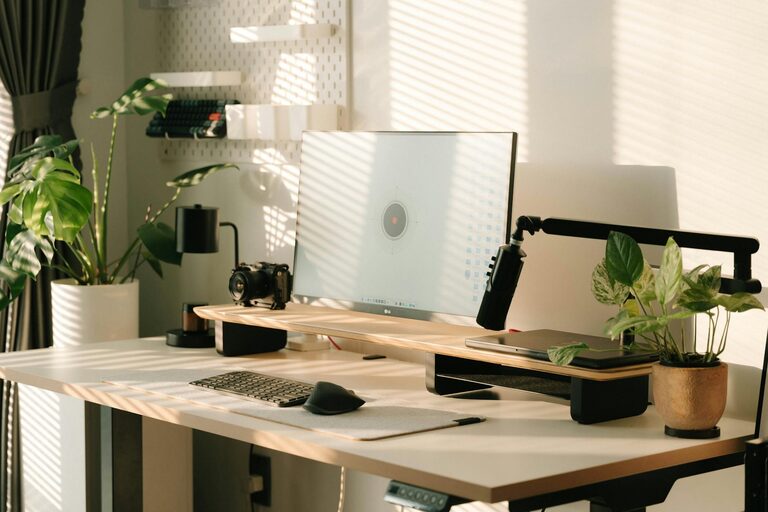
Natural light can improve mood and energy levels. Position your desk near a window if possible, but avoid glare on your screen. If natural light is limited, invest in good quality lighting to prevent eye strain.
Minimise Distractions
Select a quiet area with limited foot traffic or background noise. Using noise-cancelling headphones can help maintain concentration if your environment is noisy.
2. Invest in Comfortable and Functional Furniture
Ergonomic Chair and Desk
An adjustable chair that supports your back, and a desk at the correct height, will prevent discomfort and fatigue. Your feet should rest flat on the floor, and your arms should be at a comfortable angle when typing.
Optimise Desk Space
Keep your desk tidy and organised. Use organisers or drawers to reduce clutter and keep essential items within reach.
3. Set Up Efficient Technology
Reliable technology forms the backbone of a productive workspace.
– High-speed internet: Essential for video calls and uploading documents.
– Quality peripherals: A good keyboard, mouse, and monitor can increase comfort.
– Cable management: Use clips or trays to keep cables organised and out of the way.
4. Create a Routine and Organise Your Time
Designate Work Hours
Set a clear start and finish time to help separate work life from home life. Communicate these hours with those around you.
Use Task Lists and Planners
Planning your day with digital apps or a paper planner helps prioritise tasks and track progress, which reduces stress and procrastination.
5. Personalise Your Space Thoughtfully
Adding personal touches can make your workspace inviting without becoming distracting.
– Plants: They improve air quality and add a relaxing element.
– Artwork or photos: Choose images that inspire you.
– Comfort items: A cosy blanket or cushion can add comfort during long work sessions.
6. Maintain Good Air Quality and Temperature
Ensure your workspace is well ventilated. Fresh air helps maintain alertness. Keep the room at a comfortable temperature, as being too hot or too cold can negatively affect concentration.
7. Incorporate Regular Movement
Sitting for long periods is unhealthy and can reduce productivity.
– Take short breaks: Stand, stretch, or walk around every hour.
– Consider a sit-stand desk: Changing posture throughout the day can improve energy and focus.
8. Minimise Digital Distractions
Turn off non-essential notifications on your devices. Apps that block distracting websites during work hours can help maintain focus.
Final Thoughts
Creating a productive home office environment is about balancing comfort, organisation, and minimal distractions. By carefully considering your setup and daily habits, you can boost your efficiency and enjoy your work-from-home experience. Start with small changes and adjust as you find what works best for you.