Creating a productive home office space can make a significant difference in how efficiently you work and how comfortable you feel during your day. Whether you’re new to remote work or looking to improve your current setup, the right environment can boost focus, reduce distractions, and increase overall job satisfaction.
Why a Dedicated Home Office Matters
Working from common areas like the kitchen table or sofa may seem convenient initially, but it can blur the boundaries between work and personal life. A dedicated home office space helps to set clear mental and physical boundaries, making it easier to switch into work mode and maintain a healthy routine.
Choosing the Right Location
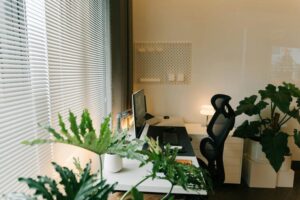
Start by selecting a quiet, well-lit spot in your home. Natural light not only brightens the space but can enhance mood and energy levels. A room with a door is ideal, as it provides privacy and limits interruptions. If space is limited, consider creative solutions like a corner in the living room or a section of a bedroom, but ensure it’s exclusively reserved for work.
Ergonomics: Comfort is Key
Spending long hours at a desk requires attention to ergonomics to avoid discomfort or injury.
– Desk and Chair Height: Choose a desk that fits your height or is adjustable. An ergonomic chair with lumbar support is a worthwhile investment.
– Screen Positioning: Place your monitor at eye level and about an arm’s length away to reduce eye strain.
– Keyboard and Mouse: Use a comfortable keyboard and mouse positioned to allow your forearms to rest parallel to the floor.
Declutter and Organise
A tidy environment helps keep your mind clear and focused.
– Storage Solutions: Use shelves, filing cabinets, or desk organisers to keep papers and supplies neat.
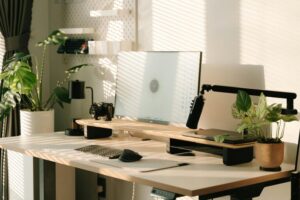
– Minimalism: Keep only essential items on your desk to reduce distractions.
– Cable Management: Use clips or ties to keep cords organised and out of sight.
Personalise Your Space
Adding personal touches can make your office more inviting and inspire creativity.
– Plants: Indoor plants can improve air quality and create a calming atmosphere.
– Artwork or Photos: Choose items that motivate you without cluttering the space.
– Lighting: Use a desk lamp for focused light, especially during darker hours.
Establish Clear Boundaries and Routine
Maintaining productivity requires more than just physical setup.
– Set Work Hours: Define when your workday starts and ends to avoid overworking or procrastination.
– Take Breaks: Step away from your desk regularly to stretch or rest your eyes.
– Dress for Work: Dressing as if you’re going to the office can help switch your mindset to productivity.
Minimise Distractions
Identify common distractions in your home and find ways to limit them.
– Use noise-cancelling headphones or background music to drown out household noise.
– Inform family or housemates of your work schedule to reduce interruptions.
– Turn off non-work related notifications on your devices during working hours.
Invest in Technology
Reliable technology supports smooth workflow.
– Ensure your internet connection is fast and stable.
– Use ergonomic accessories like a separate keyboard and mouse if working on a laptop.
– Consider dual monitors if your work requires multitasking or large displays.
Maintain Good Air Quality and Temperature
Comfortable temperature and fresh air keep you alert and comfortable.
– Open windows regularly for ventilation.
– Use a fan or heater as necessary to maintain a comfortable room temperature.
Regularly Review and Improve Your Space
Your needs may change over time, so periodically reassess your office setup.
– Adjust lighting or furniture as needed.
– Update storage solutions if clutter starts to accumulate.
– Explore productivity tools or apps that might benefit your work style.
—
A well-planned home office is more than just a place to work—it’s a key factor in your overall productivity and wellbeing. By paying attention to your environment, ergonomics, and daily habits, you can create a space that supports your professional success and personal comfort.